
Your Water Is Quietly Costing You More Than You Think.
Hard, chlorinated, or untreated well water shortens the life of every pipe, appliance and fixture in your home — and you're drinking it every day. We test your water, size the right system, and install it right the first time. Every whole-home system includes a reverse osmosis drinking water unit at no extra cost.
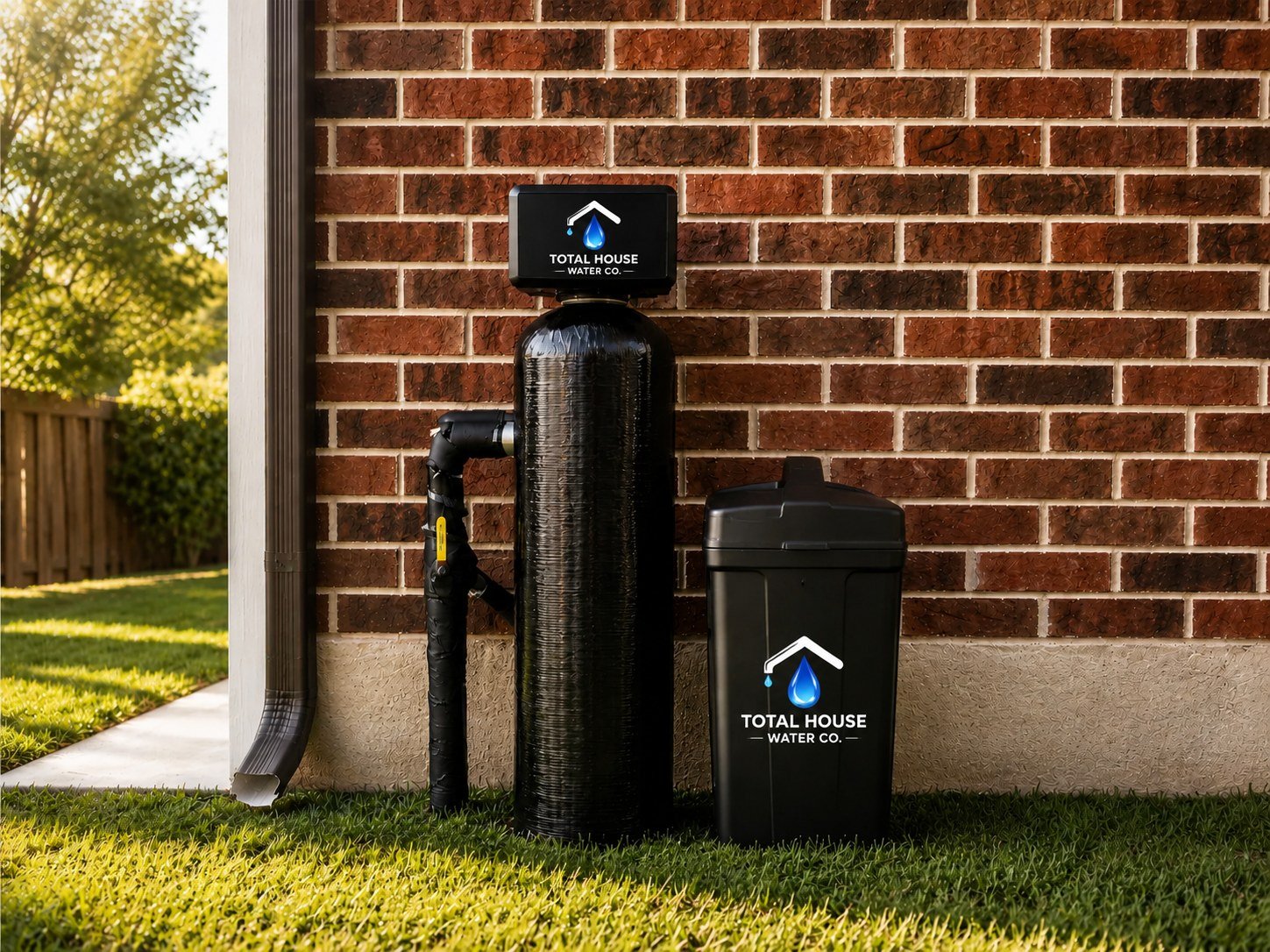
Two Systems. One Standard.
City water and well water fail differently, so we don't sell one system for both. Every whole-home package below includes a full reverse osmosis drinking water unit, installed and ready to use.

City Water Filtration System
Municipal water is treated to be legal, not to taste, feel, or perform its best in your home. This system strips out chlorine, chloramine, and the disinfection byproducts riding along with them — so every tap, shower and appliance runs on water that's actually clean.
- Whole-home carbon filtration — removes chlorine, chloramine & odor at every fixture
- 48,000-grain softening capacity, USA-made high-capacity resin
- Reverse osmosis drinking water unit installed at your sink, included
- NSF/ANSI-certified components, lifetime warranty, install done in 3-4 hours
What It Removes
- Chlorine — causes bad taste and odor
- Lead — toxic to the brain and nervous system
- Fluoride — can affect bone health over time
- PFAS & chemicals — linked to serious health concerns
- Medication residue — can disrupt hormones
- Microplastics & more — particles your body doesn't need
Benefits After Installation
- Better-tasting water — fresh from every tap
- A healthier household — less exposure, day to day
- A protected home — less scale, longer appliance life
- Lower costs — fewer repairs, less wear and tear
- Alkaline balance — healthy minerals added back in
- Everyday convenience — clean water for cooking, bathing & cleaning
Comparable systems from other providers run $8,000–$10,000 installed.

Well Water Treatment System
Private wells aren't regulated by the EPA — nobody is testing your water but you. Iron, sulfur, manganese, hardness and bacteria all vary house to house, which is why we test first and price the exact system your water needs, never a guess.
- Softening + catalytic carbon filtration sized to your test results
- Iron, sulfur & manganese removal added where levels require it
- Reverse osmosis drinking water unit installed at your sink, included
- NSF/ANSI-certified components, lifetime warranty, install done in 3-4 hours
Benefits After Installation
- Better-tasting water — clean, fresh water throughout your home
- Protected plumbing — less scale, corrosion & clogs
- Softer skin & hair — noticeably different in the shower
- Cleaner laundry & dishes — no more spots or buildup
- Lower maintenance costs — fewer repairs, less wear
- Whole-home protection — filtered water at every tap
Comparable systems from other providers run $11,000–$14,000 installed.
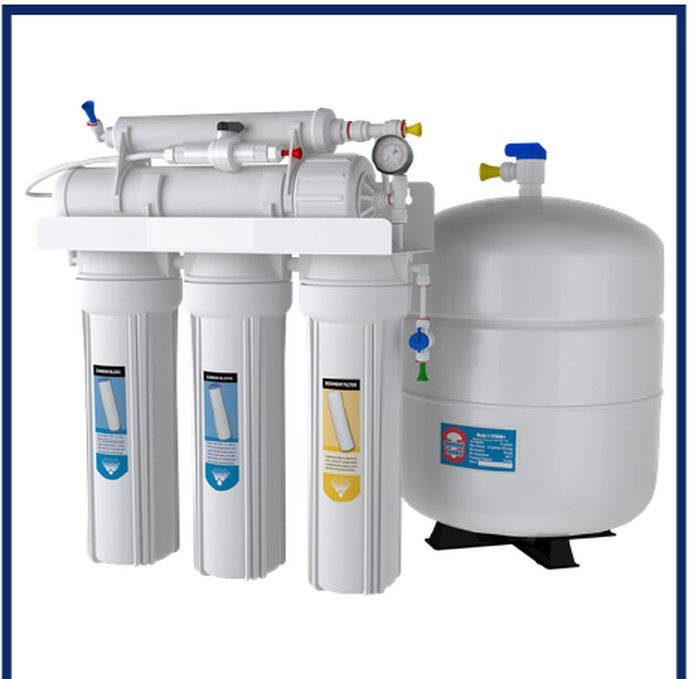 Tank Version
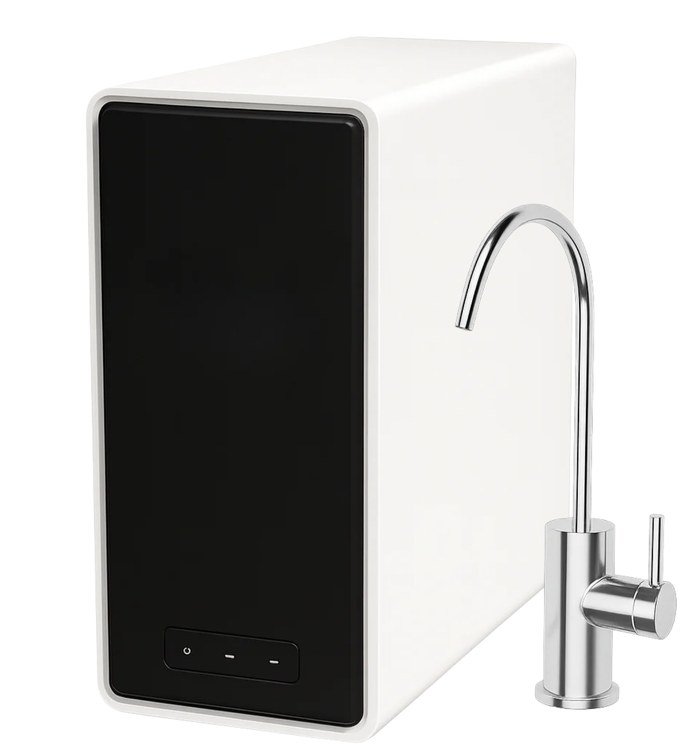 Tankless Version
Just Want Pure Drinking Water?
A standalone reverse osmosis system removes lead, PFAS, arsenic, nitrates and 99%+ of contaminants at the tap — ideal if you already have filtration or softening and only need pure water for drinking and cooking. Available in a traditional tank version or a compact tankless design.
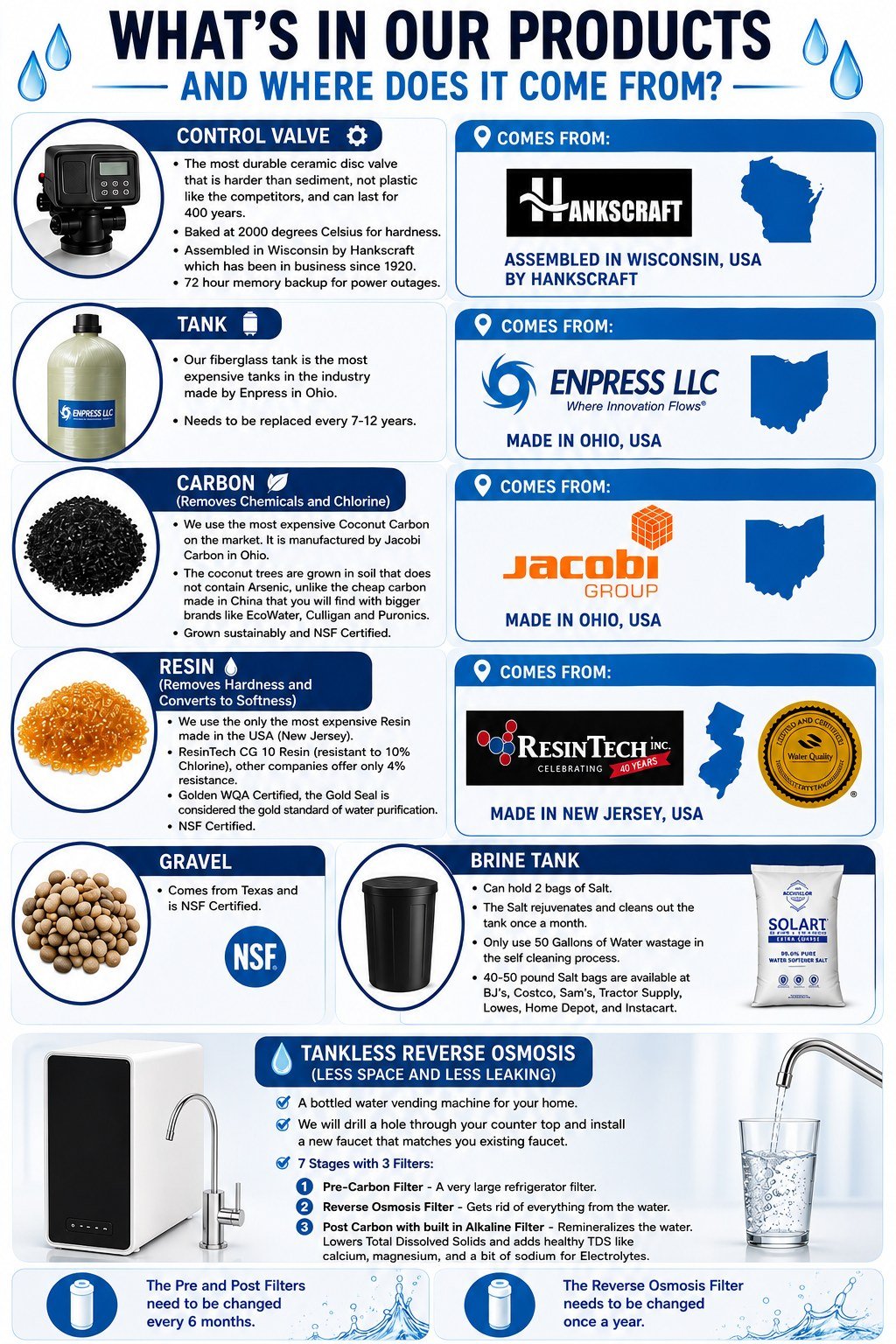
Untreated Water Doesn't Stay "Fine" Forever
Every day you put it off, hardness, chlorine and sediment keep working against your plumbing, your appliances and your family. Here's what that actually costs.
Your Appliances Age Faster
Scale buildup from hard water cuts water heater efficiency and lifespan dramatically, and clogs dishwashers, washing machines and fixtures well before their time.
You're Still Drinking It
Chlorine, chloramine, PFAS and disinfection byproducts pass through most municipal treatment at legal — not zero — levels. "Meets code" isn't the same as clean.
Repairs Cost More Than Prevention
A failed water heater, a ruined dishwasher, or corroded pipework routinely runs into the thousands — far more than the system that would have prevented it.
What Independent Testing Actually Found
Federal legal limits for tap water haven't been meaningfully updated in decades. The Environmental Working Group (EWG) tests utility disclosures against current public-health research, not the outdated legal floor — and the gap is often dramatic. Here's real data from two of the water systems we serve.
Rockland County, NY — Veolia Water New York
Municipal water quality data, most recent EWG-analyzed testing
Total Trihalomethanes (TTHMs)
A group of disinfection byproducts formed when chlorine reacts with organic matter in the source water.
Why It MattersLong-term exposure is linked to bladder cancer and reproductive harm in EPA and NIH research. Hot showers release it into the air you breathe, not just what you drink.
Haloacetic Acids (HAA5)
A second family of disinfection byproducts, created the same way as TTHMs, found in essentially every chlorinated municipal system.
Why It MattersAlso associated with increased long-term cancer risk. Standard carbon filtration is one of the few things proven to remove it.
PFOA (a "Forever Chemical")
An industrial PFAS compound that persists in the environment and builds up in the body over time.
Why It MattersClassified as a likely human carcinogen, with no level currently considered fully safe by EPA guidance.
New York City — NYC DEP System
Municipal water quality data, most recent EWG-analyzed testing
Haloacetic Acids (HAA9)
The full family of nine haloacetic acid disinfection byproducts, tracked together as one measure.
Why It MattersNYC's source water is high quality, but the disinfection process required to make it safe at scale still creates these byproducts downstream.
Total Trihalomethanes (TTHMs)
Chlorine disinfection byproducts formed as water travels from reservoir to tap.
Why It MattersLinked to bladder cancer risk with sustained exposure — removable at the point of use with the right filtration.
Hexavalent Chromium (Chromium-6)
An industrial pollutant that can leach into groundwater and municipal supply from legacy industrial sites.
Why It MattersClassified as a probable human carcinogen. There is currently no federal legal limit specific to chromium-6, so utilities aren't required to remove it.
Want your exact address? Use the water check tool below, or call us for a free on-site test.
Get Your Instant Price
Answer three quick questions and we'll recommend the right system and price on the spot — no call required to get started.
What's your water source?
This determines which system your home needs.
City Water Filtration System
The Hidden Cost of Untreated Water
Skipping treatment doesn't save money — it just moves the cost somewhere else. Here's where it usually shows up.
Early Water Heater Failure
Scale buildup insulates heating elements and cuts efficiency, often forcing replacement years before its rated lifespan.
Appliance Repair & Replacement
Dishwashers, washing machines and coffee makers clog with mineral deposits and fail well ahead of schedule.
Plumbing & Fixture Repair
Corroded valves, clogged aerators and reduced water pressure are routine service calls on untreated water.
Bottled Water Habit
Households that don't trust their tap end up buying water they could otherwise have clean, cold and free at the sink.
Add it up, and the numbers speak for themselves.
Left untreated, these costs commonly total more over a few years than the system that prevents all of them.
Check Your Water & Get a Custom Quote
Enter your zip code and we'll show you your area's official water quality reports — plus what we most commonly find in local water.
Available Upgrades
Every home is different. After your free water test, we'll tell you honestly if one of these upgrades is worth adding — and what it costs. Nothing is pre-loaded into your price.
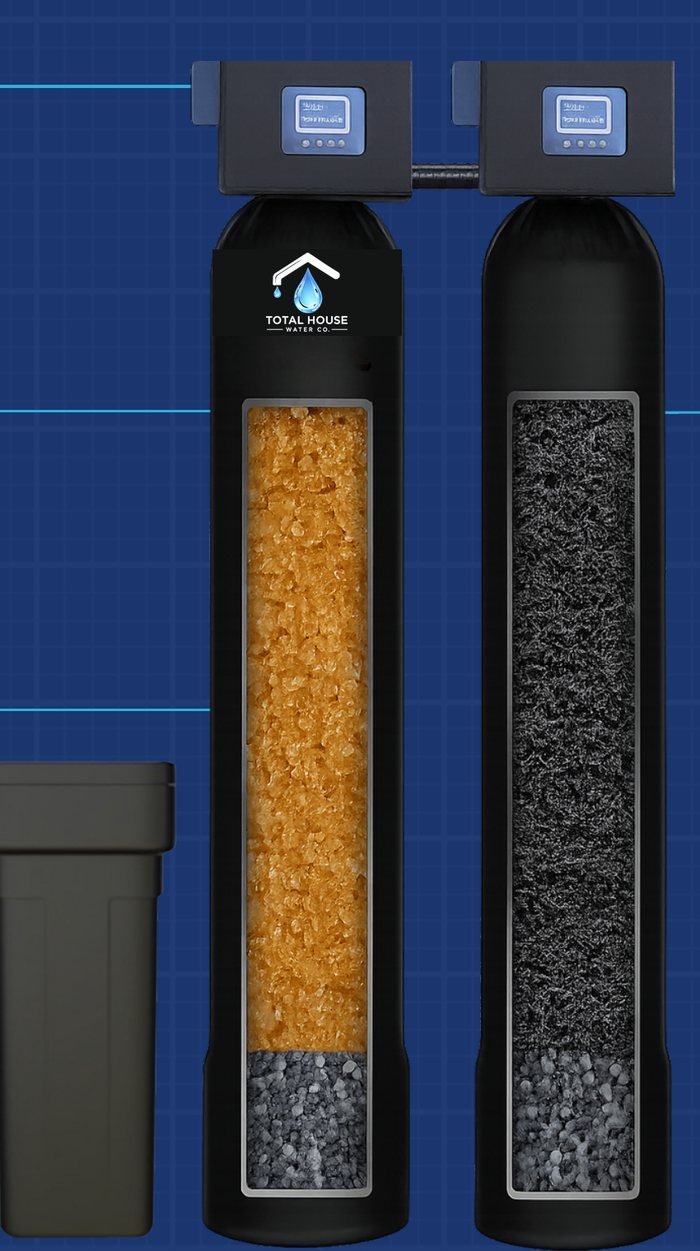
Iron & Sulfur Removal
Chemical-free oxidation media that strips iron, sulfur and manganese out of your water before they ever reach your softener. Why you need it: untreated, they're what cause the rotten-egg smell, metallic taste, and orange staining on sinks, tubs and laundry that's common on well water.

Salt-Free Conditioner
Conditions hard minerals so they stop binding to surfaces, with no brine discharge, no drain line and no added sodium. Why you need it: a chemical-free way to stop scale buildup if you're on a septic system or have sodium-sensitive household members.
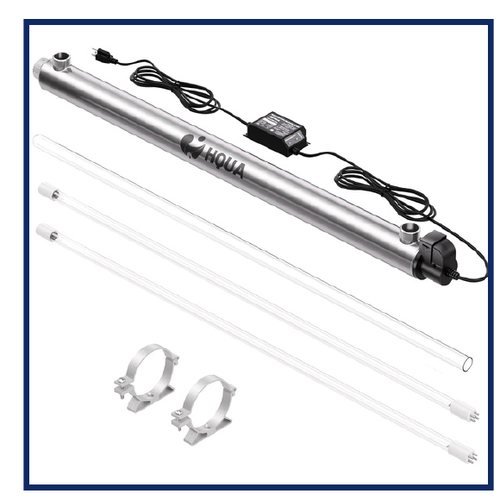
UV Purification
Chemical-free disinfection that neutralizes bacteria and viruses as water passes through, with no taste or odor added. Why you need it: private wells aren't EPA-regulated — nobody is testing for microorganisms in your water but you.
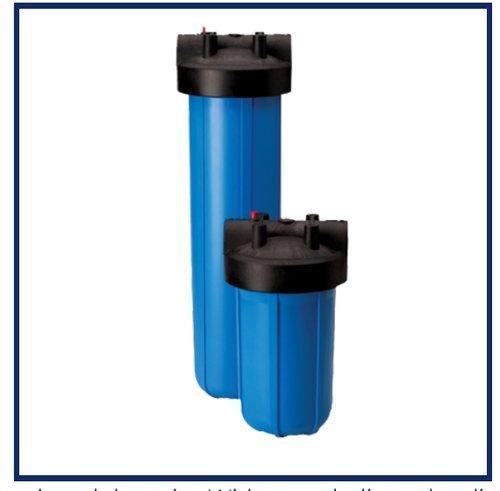
Sediment Pre-Filtration
Traps grit and particulate before it ever reaches your main system. Why you need it: unfiltered sediment clogs your softener resin and RO membrane early, shortening the life of equipment you already paid for.
Choose Your Faucet Finish
Your reverse osmosis faucet is on your counter every day — it should match your kitchen. Pick a finish at no extra charge.
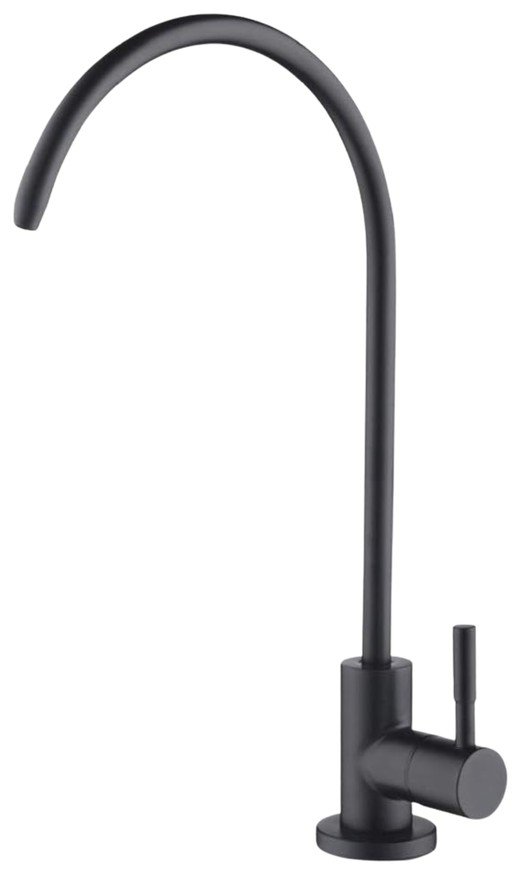
Matte Black
Bold, contemporary look
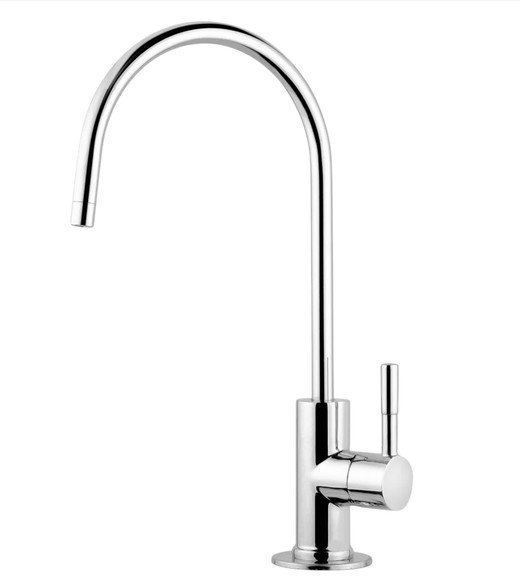
Polished Chrome
Clean, classic shine
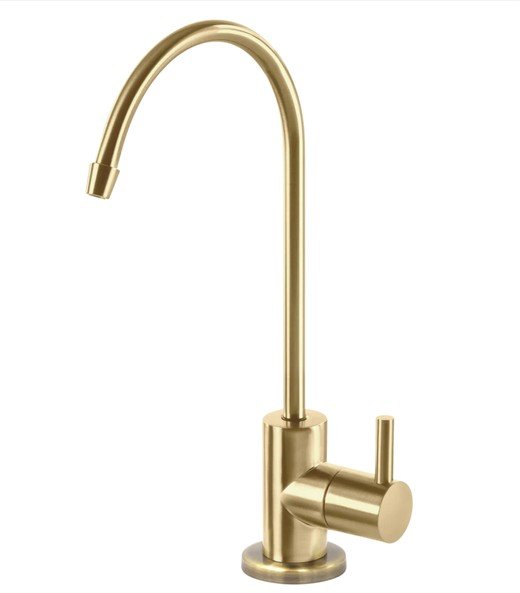
Brushed Gold
Elevated, modern warmth
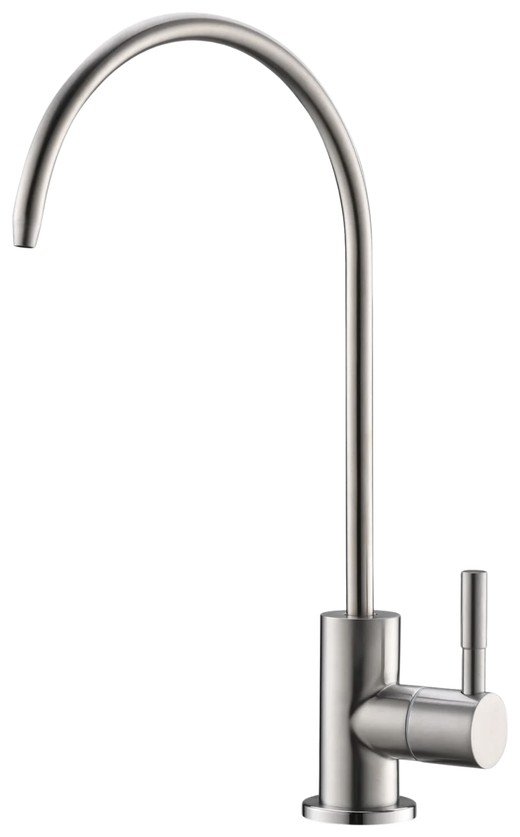
Brushed Nickel
Soft, understated metal tone
Why Homeowners Choose Us
Water treatment has a reputation problem — 4-hour sales pitches, scare tactics, and prices that move depending on how hard you push back. We built Total House Water Co. to be the opposite.
NSF/ANSI-Certified
Independently verified removal claims — not marketing copy.
Upfront Pricing
The price we quote is the price you pay. No day-of surprises.
Licensed & Insured
Every install done to code, permits handled where required.
Lifetime Warranty
Backed for the life of your system, not just the first year.
What Actually Changes Once It's In
This isn't a one-time cleaning — it's a permanent change in how your water behaves, every day, in every room.
- Water heaters and appliances that reach their full rated lifespan
- Skin and hair that stop drying out after every shower
- Coffee, ice and drinking water that actually taste clean
- Spot-free dishes and glassware straight out of the dishwasher
- No more bottled water runs or delivery subscriptions
- Knowing exactly what's coming out of every tap in your home
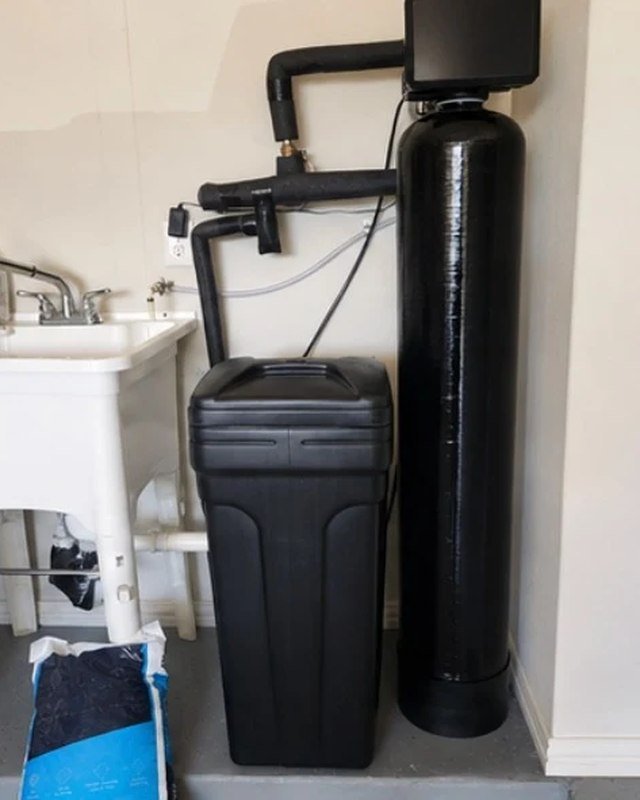
Recent Installs
A look at systems we've installed across NY, NJ & CT — clean work, tucked out of the way, built to last.
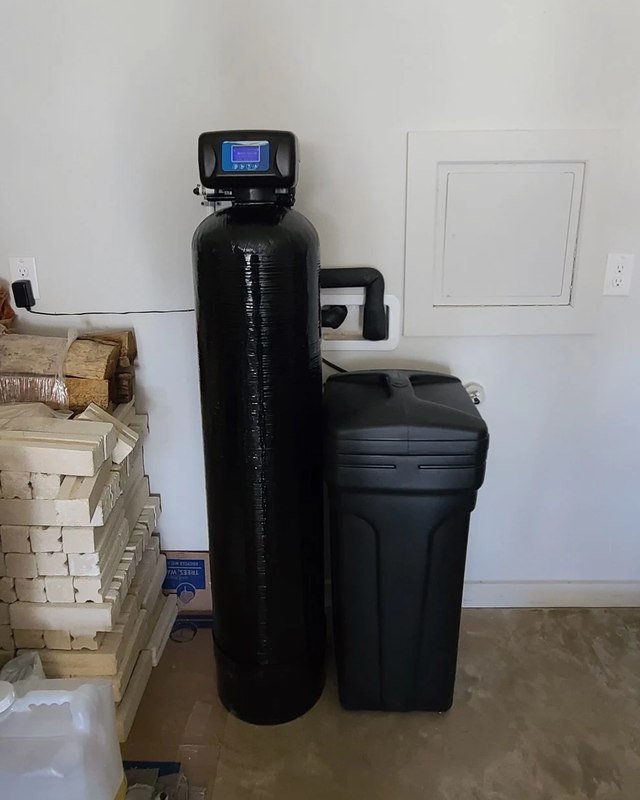 Whole-House System
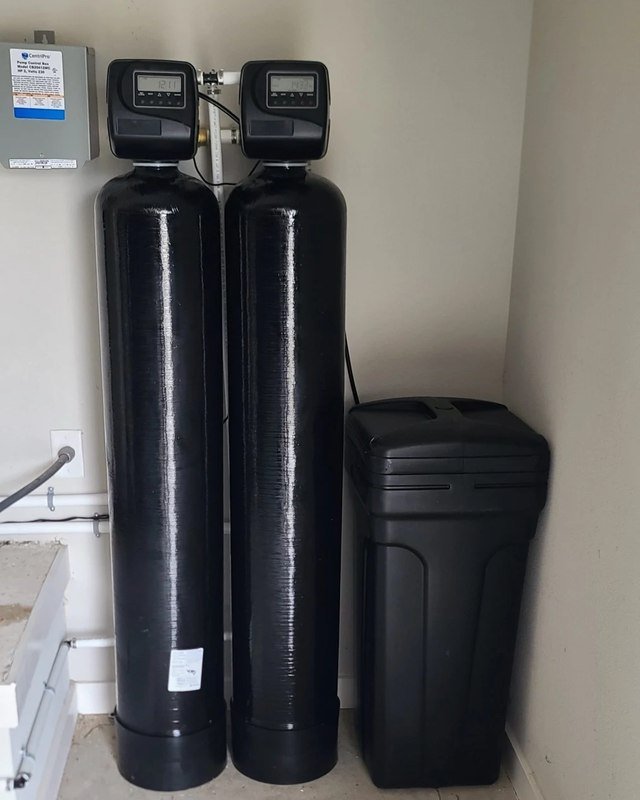 Dual-Tank Well SystemSoftener & Filtration
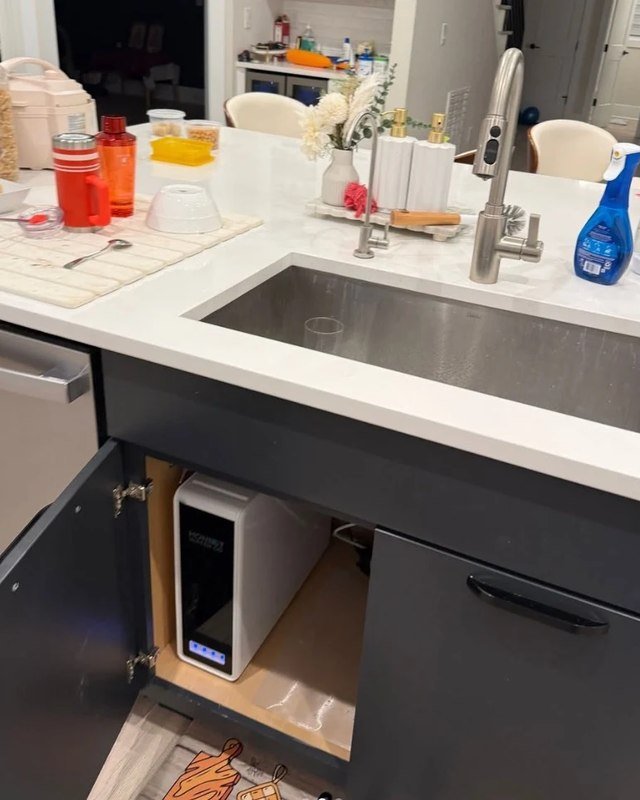 Kitchen RO Install
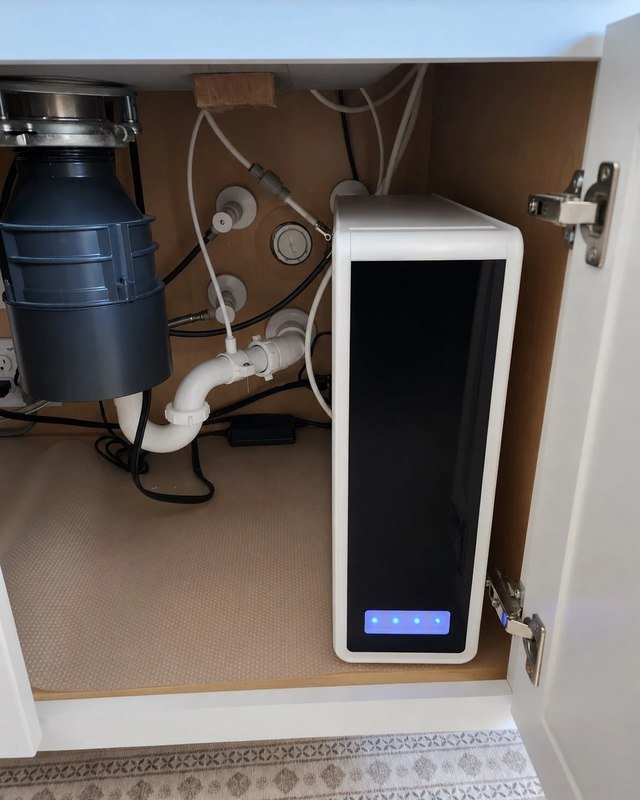 Under-Sink RO
Proudly Serving NY, NJ & CT
Local, family-owned, and in your neighborhood — from the Hudson Valley to North Jersey to Connecticut's Gold Coast.
Frequently Asked Questions
Does every system include the RO unit?
Yes. Both the City Water System and the Well Water System include a full reverse osmosis drinking water unit installed at your sink, at no extra charge. Want RO on its own? It's $925 installed.
Why is the well water price a range?
No two wells are the same. Iron, sulfur, hardness and bacteria levels determine which media and tanks your system needs. We test your water first, then give you one price starting at $4,250 installed — it never moves after the fact.
My city water report says it meets all standards. Do I still need this?
Meeting the legal limit isn't the same as zero contaminants. Reports across NY, NJ and CT routinely show detectable PFAS, disinfection byproducts and chromium-6 below the legal maximum — plus hardness, chlorine and aging-pipe issues no regulation covers at all.
How long does installation take?
Most whole-house systems are installed in 3-4 hours. Under-sink RO systems typically take 1 to 2 hours.
Do you offer financing?
Yes, financing options are available on whole-house systems — ask when you call.
Stop Guessing About Your Water.
One call gets you an honest answer and a straight price — no 4-hour pitch, no pressure. Prefer to talk now?
☎ (845) 996-6753City Water $3,250 installed · Well Water from $4,250 installed · RO alone $925 installed · RO included with every whole-home system